Loading ...
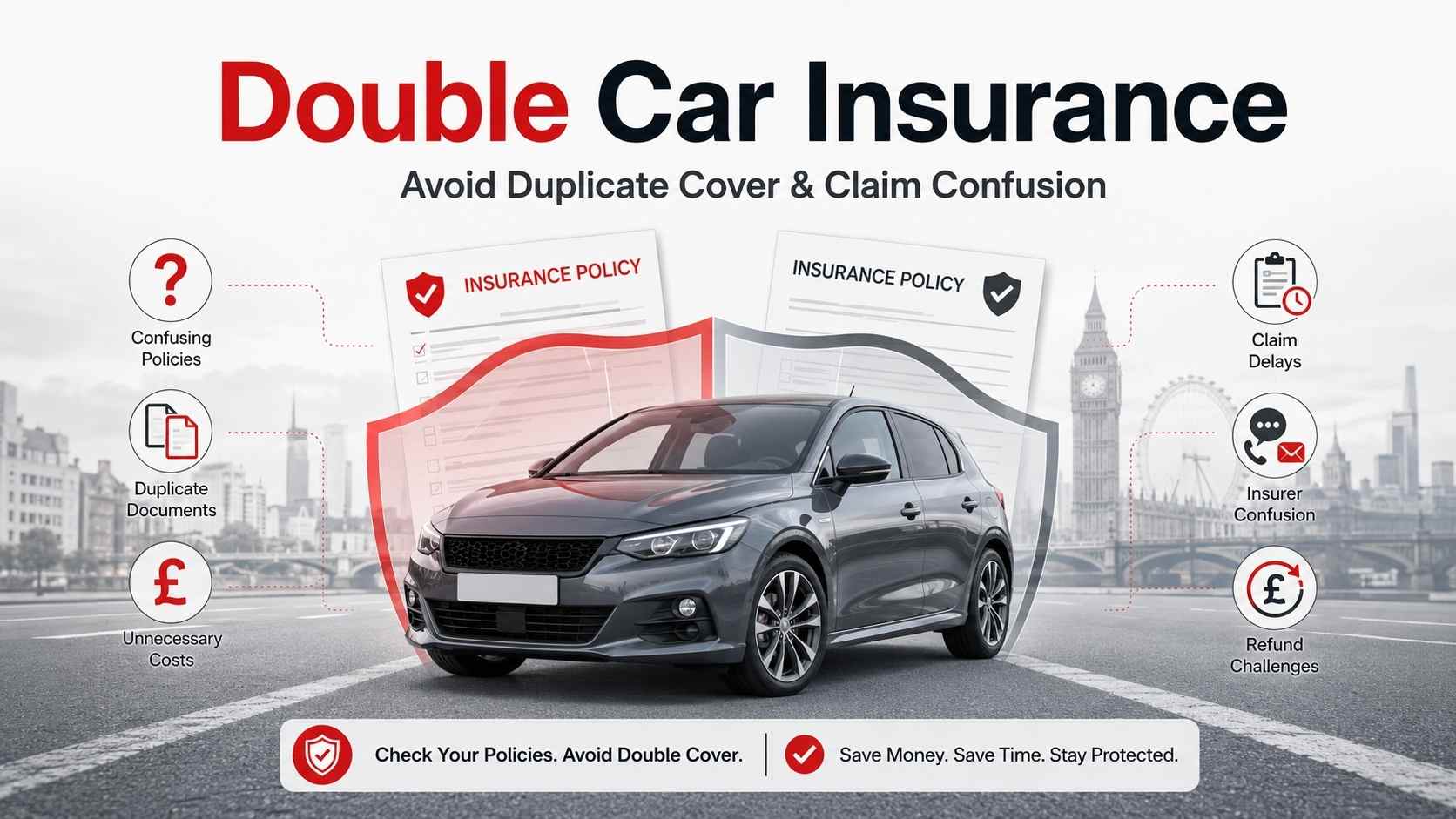
Double Car Insurance: Definition, Causes, and Effects
Double Car Insurance: Definition, Causes, and Effects
What is Double Car Insurance?
Double car insurance involves having two separate insurance policies covering the same vehicle. While it might seem like a way to ensure extra protection, it often leads to confusion and unnecessary cost. People may choose double car insurance for reasons such as wanting additional coverage, meeting legal requirements, or protecting different drivers. However, it’s important to note that while it’s legal, claiming the same accident under both policies is considered insurance fraud.
In some cases, people take out temporary automobile insurance alongside their standard annual policy. Although it may appear to be double car insurance, these two policies generally cover different drivers or offer temporary coverage, and thus aren’t problematic.
Causes of Double Car Insurance
Double car insurance can occur for several reasons. Some people may lack understanding about their current coverage, leading them to mistakenly purchase a second policy. Miscommunication with an insurance agent can also play a role, especially if the individual believes they need more protection than their existing policy offers. Another reason is the false belief that having two policies saves money. Additionally, people may forget to cancel their old policy before taking out a new one, resulting in dual coverage.
Effects of Double Car Insurance on Claims
Having two insurance policies on the same vehicle can complicate the claims process. The primary effect is that it increases coverage, potentially resulting in higher payouts if the claim exceeds the limits of either policy. However, it can also lead to delays, confusion, and even disputes between insurers, which may hinder the settlement of claims. Furthermore, it can raise premium costs due to the overlap in coverage. Although double car insurance may seem beneficial, it’s crucial to remember that you cannot claim the same incident under both policies.
What to Do with Double Car Insurance
If you find yourself with two insurance policies on the same vehicle, the first step is to identify why this has happened. If it’s due to multiple cars being covered separately, you might need to cancel one of the policies. Contacting your insurers is essential, as they may work together to resolve the issue, and you may receive a refund for any excess premiums paid.
Processing an Insurance Claim with Double Car Insurance
When making a claim, it’s important to gather all necessary documentation, such as police reports, witness statements, photos, and repair receipts. You’ll need to file a claim with both insurers and clarify the details of the incident. While one insurer will usually cover the primary costs, the second policy may help cover any remaining expenses. Be aware that the process can take time, and deductibles may apply.
When is Double Car Insurance Necessary?
Double car insurance may be necessary in cases where the driver is considered high-risk or needs additional protection, such as gap coverage or business-use coverage. It’s also common for people with high-value or antique vehicles, as well as those financing a car that’s worth less than the loan amount. Additionally, drivers who use their vehicle for work-related purposes may opt for supplementary coverage.
Why You Should Avoid Double Car Insurance
Here are some key reasons why double car insurance is generally not recommended:
- Higher Costs: You’ll pay more in premiums since you’re maintaining two policies.
- Duplicate Coverage: Having two policies may result in unnecessary overlap, driving up your costs.
- Conflicts Between Policies: The terms of both policies may conflict, making the claims process difficult.
- Reduced Flexibility: With two policies, you’re bound by the terms of each, limiting your ability to adjust coverage.
- Administrative Hassles: Managing multiple policies can be cumbersome and time-consuming.
Benefits of Double Car Insurance
While double car insurance isn’t typically recommended, there are a few potential benefits:
- Filling Coverage Gaps: A second policy may cover areas that your primary policy doesn’t, such as gap insurance for high-value vehicles.
- Additional Security: A second policy can provide extra protection, especially for high-risk drivers or vehicles used for business.
- Peace of Mind: Having two policies may give drivers more confidence in their coverage, knowing they have additional protection.
Is It Illegal to Have Double Car Insurance?
No, double car insurance is not illegal. You can hold two insurance policies for the same vehicle, but you cannot file claims under both policies for the same event. This would be considered fraud. Always ensure both policies are necessary and avoid overlapping coverage where possible.
Difference Between Double Car Insurance and Multi-Car Insurance
Double car insurance involves having two policies for one vehicle, whereas multi-car insurance covers multiple vehicles under a single policy. Multi-car insurance is often more cost-effective and less complicated than managing separate policies for each vehicle.